

Quick take — the best ergonomic chair under $300
If you sit for 8 hours and your back hates you by 3 PM, you need a chair that fits your body, not just a random Amazon bestseller. The best ergonomic chair under 300 dollars, when you factor in 10+ hour durability and actual lumbar mechanics, is the refurbished Steelcase Series 1 (if found on sale around $295). You get a 400 lb weight capacity, a dynamic live back system, and a full 12 year warranty—specs that erase the typical budget chair gamble.
If you cannot find that specific refurb deal, the Colamy Atlas is the best pick for long hours and high adjustability at roughly $200 to $260, and the HON Exposure is the sensible choice if you prioritize a simple, squeak-free frame over aggressive lumbar gadgetry. This guide cuts through the marketing fluff to give you exact specs—lumbar movement in inches, foam density pitfalls, and return shipping traps—so you buy a tool for your spine, not a disposable seat.
Key Takeaways
- Refurbished commercial chairs (Steelcase Series 1) obliterate new Amazon brands on weight capacity (400 lb) and warranty (12 years), but you must verify the seller’s return policy to avoid $80 restocking fees.
- Budget mesh chairs often sag within 3 to 9 months for users over 180 lb; fixed lumbar pads misalign for anyone under 5’5″ or over 6’1″.
- Total cost to own isn’t the sticker price. Add $40 to $100 for potential return shipping, $80 for a replacement cylinder, and lost time if a white-label chair breaks in year two. The effective cost of a $295 Series 1 is often lower than a $180 Amazon special after 3 years.
- Quick take
- Top 5 chairs under $300 — exact lumbar support specs and what distinguishes them
- Ranked recommendations — who should buy which chair
- Common complaints, negative reviews & who they affect most
- Hidden costs & serviceability — parts availability, return traps, and worst-offender brands
- Price-to-feature & effective cost analysis
- Practical buyer checklist & decision matrix
- FAQ
Top 5 chairs under $300 — exact lumbar support specs and what distinguishes them
Lumbar support is not a pillow strapped to a mesh back. It is a mechanical relationship between your pelvis and the chair frame. A fixed bulge placed in the wrong spot creates a pressure point that tilts your pelvis backward, collapsing your posture. In the under $300 tier, you are trading mechanical precision for limited adjustability. You need to know exactly what you are getting so the curve matches your spine height.
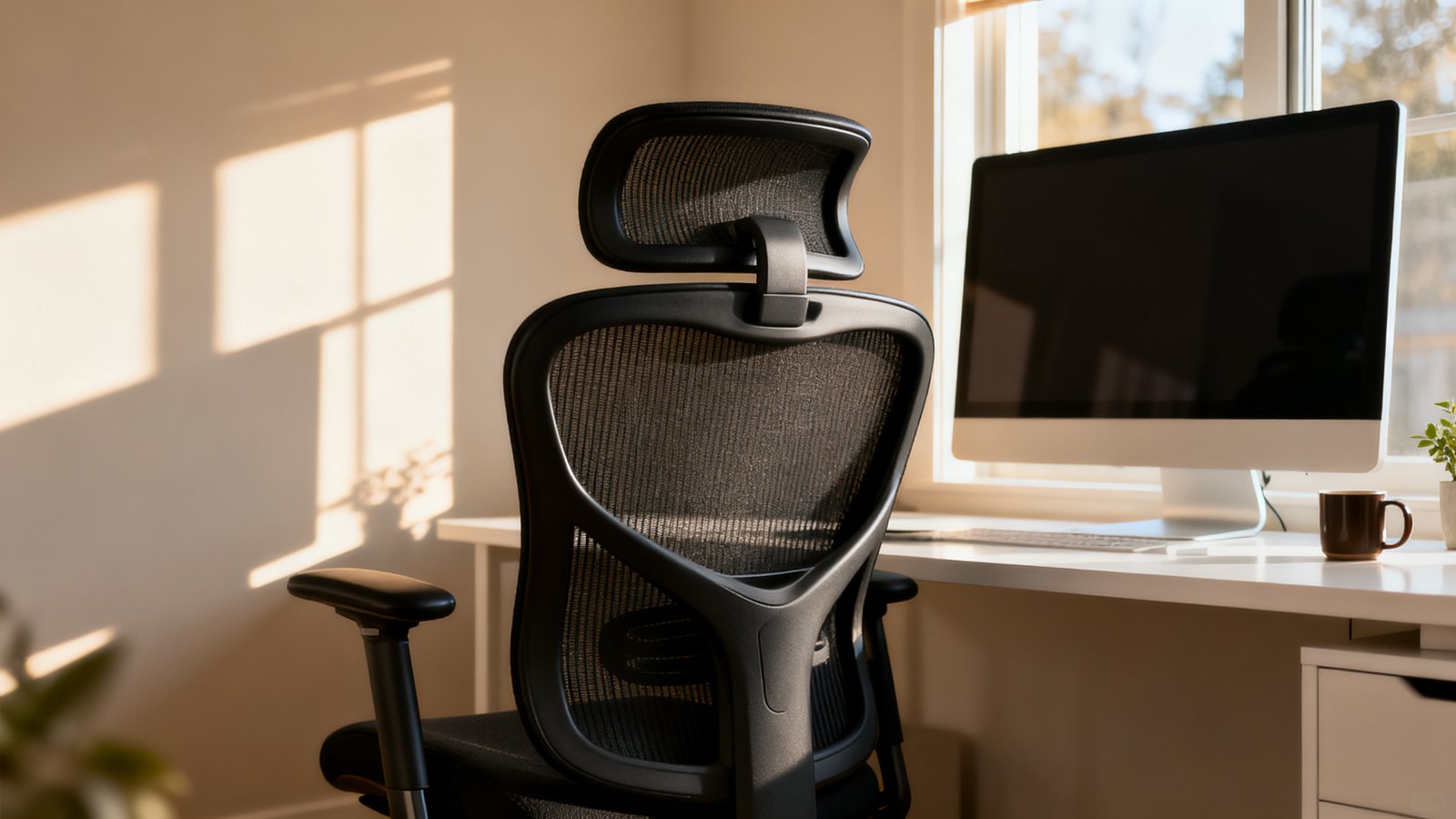
Steelcase Series 1 (sale/refurb ~$295): The back uses a “live back” flexor system. Instead of a single plastic bar digging into one vertebra, the entire shell flexes to follow your spine’s natural curve. You can optionally add a height-adjustable lumbar pad with about a 2.5 inch vertical range. There is no depth dial, but the dynamic tension created by the flexing back shell removes the need to jam a lump into your lower back. This system is designed for commercial 8+ hour shifts and handles a 400 lb load without structural fatigue.
Colamy Atlas/Kirin (~$160–$260): Both models use a contoured mesh back with a distinct integrated lumbar pad. On the Kirin, that pad slides vertically roughly 2 to 3 inches, but depth is fixed. The Atlas refines this with multiple recline locks and a more pronounced lower-back curve. This is a static, height-adjustable bump. For a 5’10” user sitting upright, it hits the right spot. For a 6’2″ user, the pad might still sit too low, pushing on the sacrum rather than the lumbar curve, even at max height.
HON Exposure (~$180–$220): There is no sliding pad or dial. The lumbar curve is built into the shape of the mesh back frame itself. It is a fixed, contoured curve. You change the pressure by changing the tilt tension. This works remarkably well if the pre-molded curve fits your back perfectly, but it offers zero height customization. For shorter users under 5’4″, the fixed curve can hit mid-back uncomfortably.
La‑Z‑Boy Bellamy (~$260–$290): This chair uses a padded fixed lumbar zone integrated into a thick bonded leather backrest. There is no independent adjustment. The support comes from foam density and the wider scaling of the backrest, making it a rare budget pick that doesn’t dig into broader backs. The lumbar radius is larger, which feels vacant to a slim user but correct for someone with a wider frame.
Tempur‑Lumbar Office Chair (~$299): A memory-foam lumbar pad is fixed to a plastic back shell. No height or depth adjustment exists. The foam adapts to your shape, which feels good for the first 30 minutes, but the rigid plastic backing limits recline comfort. If the fixed position doesn’t match your spine, the memory foam cannot fix the misalignment.
Ranked recommendations — who should buy which chair
Choosing wrong means buying a chair rated for 300 pounds that bottoms out in four months, or a seat slider you never use. Match your body and workday length to the chair, not the other way around. The office chair buying guide we built explains why adjustability ranges matter more than brand names. Here are the profiles for the top three picks, including specific red flags to check before you enter payment details.
1. Steelcase Series 1 (Refurb/Sale) — Best Overall Value Under $300
This is a commercial-grade chair. Seat height ranges from 16.5 to 21.5 inches, weight capacity is 400 lb, and the warranty is 12 years. It often ships fully assembled, taking 0 to 10 minutes to set up.
Best for: Heavy users up to 260 lb who need a frame that won’t crack. Programmers working 10+ hours who need dynamic back flex to prevent static loading. Value seekers who understand that a single 12-year chair is cheaper than three $100 chairs replaced every two years.
Pros: Commercial 400 lb capacity validated by real office use. 12-year warranty covers 24/7 shifts. Dynamic back adapts to movement. Minimal assembly. Dense foam resists bottoming out.
Cons: Price under $300 depends entirely on finding a refurb or sale; list price is higher. Optional lumbar pad is not always included. Arm caps are not as plush as gaming chairs. Color selection limited on refurb units. Return shipping on refurb units can hit $50 to $80.
Red flag: Verify the seller explicitly states “Series 1” and not “Series 1 Work” if you want the standard back. Confirm the specific refurbisher’s return window. A 14-day window with a 20% restocking fee effectively locks you in.
2. Colamy Atlas — Best for Long Hours Under $300
Seat height spans roughly 17 to 21.5 inches, weight capacity is listed at 275 to 300 lb, and warranty is commonly 1 to 3 years. Assembly takes 30 to 60 minutes. The Atlas includes a seat depth slider and multiple recline locks—features virtually extinct at its street price.
Best for: Average-weight users (under 200 lb) seeking maximum adjustability. Hybrid workers who alternate between upright typing and reclined calls. Tall users up to 6’1″ who need the seat depth slider to support longer thighs.
Pros: Seat depth slider rare at this price. Height-adjustable lumbar pad. 4-way armrests. Mesh back stays cool. Multiple recline lock positions.
Cons: Mesh seat can sag if you exceed 190–210 lb. 1 to 3 year warranty is a gamble. Armrest wobble can develop after 8 months. Assembly instructions have translation errors. Replacement parts are not readily available from a single catalog.
Red flag: Check that the listing includes a “seat slider” mechanism, not just a standard tilt. Some Atlas variants ship without it. Also confirm whether the cylinder is class 3 or class 4; class 3 is rated for lower weight and will fail faster under strain.
3. HON Exposure — Best for Hassle-Free Reliability
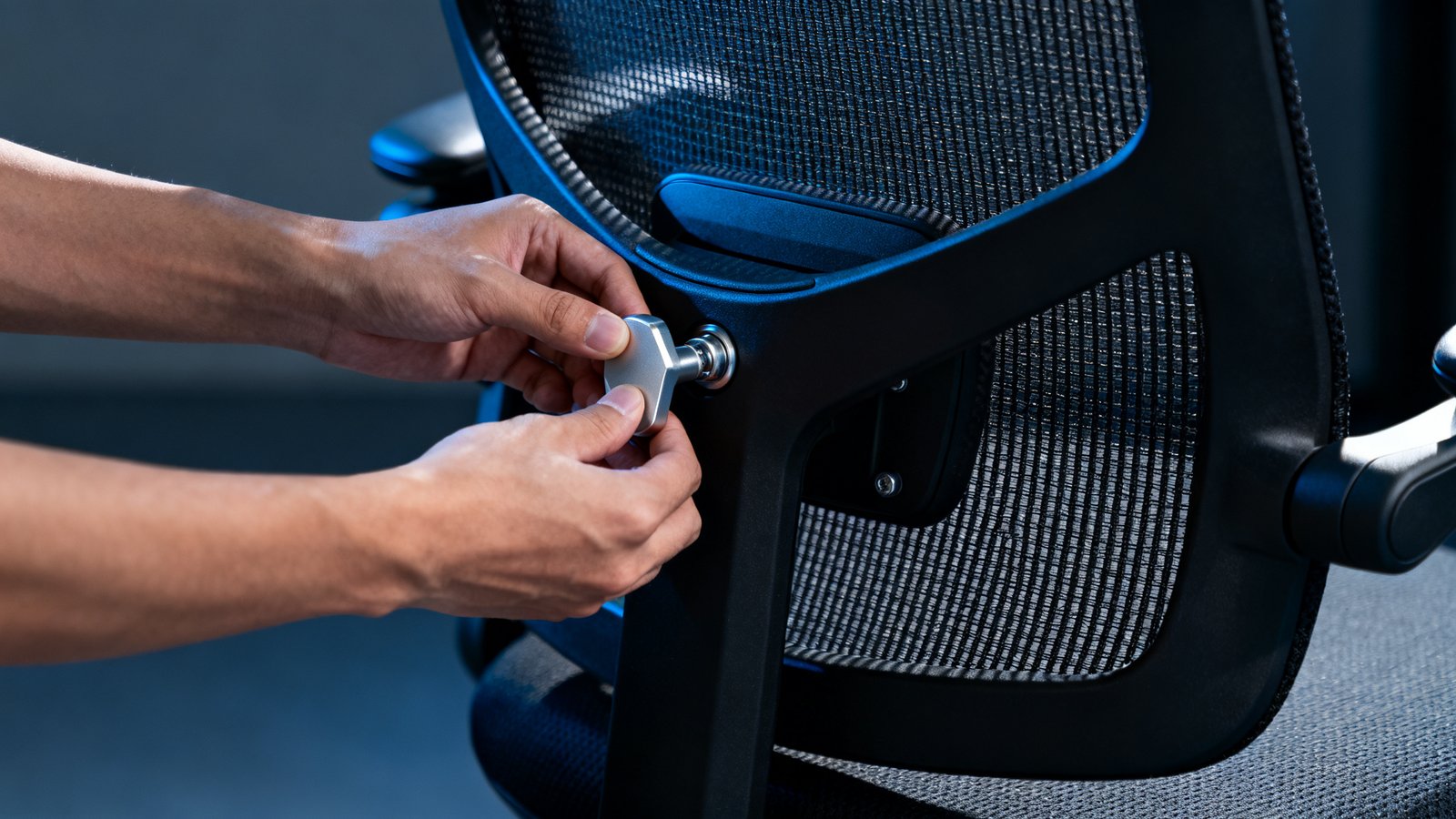
Seat height is roughly 17 to 21 inches, weight capacity is 250 to 275 lb, and warranty is about 5 years limited. Assembly is straightforward, usually under 45 minutes. This chair does not try to impress you with knobs and levers; it just holds its shape for years.
Best for: Users under 220 lb who want a no-squeak frame. Office setups where multiple people might use the same chair. Anyone who finds aggressive lumbar pads painful and prefers a gentle fixed curve.
Pros: Better long-term mesh retention than generic Amazon mesh. 5-year warranty from a recognized brand. Simple tilt mechanism with fewer break points. Lighter weight for easier movement. Consistent build quality compared to white-label chairs.
Cons: No seat depth adjustment. Fixed lumbar curve cannot be moved. 2D arms lack lateral width adjustment. Weight capacity tops out at 275 lb. Cushion is firmer, which some users perceive as hard.
Red flag: Verify the exact warranty length on the SKU you buy. Some retail-specific HON Exposure models drop to a 3-year warranty. Check if the arm height range clears your desk; low arms on a fixed-height desk create a wrist extension hazard.
Before you commit to a chair, a proper ergonomic workstation setup will position the chair relative to your monitor correctly, preventing you from craning your neck forward even in a good seat.
Common complaints, negative reviews & who they affect most
Real-world feedback from Amazon reviews and Reddit’s r/OfficeChairs reveals clear patterns. The most damaging failures happen not in the return window, but at the 8-month mark when foam compresses or mesh stretches. A synthesized quote from a Reddit user captures the frustration perfectly: “Rated for 300 lbs but the seat cushion was flat in three months. I’m 6’2″, 240, and now I’m sitting on the plywood base.”
Seat Narrowness and Foam Bottoming Out: Users over 200 to 220 lb and users over 6’0″ report that the side bolsters of narrow mesh chairs dig into thighs. Dense memory foam seats lose their rebound within 1 to 6 months, creating a permanent indent. This is the most frequent failure mode for generic Amazon chairs claiming a 300 lb capacity but using low-density foam.
Inadequate Seat Height and Depth: Standard budget chairs max out around 21 inches of seat height. For users above 6’1″, this leaves knees above hips or a gap under the thighs. Without a seat depth slider, the front edge of the seat pan stops mid-thigh, cutting circulation behind the knees. Tall users consistently report feeling like they are “sitting in a kid’s chair.”
Misaligned Lumbar Position: Fixed lumbar curves or sliding pads that drift hit the wrong spot. Shorter users under 5’5″ feel the pad jutting into their shoulder blades. Very tall users over 6’2″ feel it pushing against the upper buttocks. The adjustment range of 2 to 3 inches on chairs like the Colamy Kirin simply cannot cover a 5’1″ person and a 6’4″ person with the same pad placement.
Mesh Sagging and Squeaks: Mesh seats commonly begin to sag after 3 to 9 months, creating a hammock effect that rotates the pelvis backward. Squeaks develop in the tilt mechanism and armrest joints as cheap bushings wear down. Heavier users over 230 lb report complete base cracking at the caster hub, even when technically within the rated capacity. A stable standing desk setup can help you alternate postures, but it won’t fix a chair that is already creaking and collapsing under load.
Hidden costs & serviceability — parts availability, return traps, and worst-offender brands
The price tag is a lie. The true cost of a chair under $300 includes the risk of return shipping, the cost of replacing a failed gas cylinder, and whether you can even buy that part. Generic white-label Amazon brands are the worst offenders. They frequently change brand names every 1 to 2 years, maintain no parts catalog, and enforce warranties only through generic email addresses that go dark after 60 days.
If the gas cylinder fails on a $180 white-label chair, a compatible generic replacement costs roughly $80. The repair cost is nearly half the price of a new chair. Return shipping for a bulky assembled chair often runs $40 to $100, effectively wiping out any refund. Retailers like OnTimeSupplies note freight surcharges on many budget models, and Amazon’s standard 30-day window still requires you to disassemble and box the chair. For a $180 chair with a $60 return shipping fee, the “trial cost” of trying the chair and returning it is a 33% loss.
Commercial brands operate differently. Steelcase and Herman Miller maintain extensive parts catalogs designed for multi-year service. A replacement cylinder available through an authorized dealer extends chair life to a decade, making the total cost of ownership lower despite a higher initial price. Mid-tier brands like HON and La‑Z‑Boy offer better access to OEM parts than generic brands, but still fall short of the 12-year support infrastructure of the premium manufacturers. Extended protection plans sold at Amazon checkout for $20 to $50 often exclude foam compression and mesh sag, the two things that actually fail.
Price-to-feature & effective cost analysis
Let’s calculate the effective cost per usable year. A Colamy Atlas at $230 with 45 minutes of assembly and a 2-year lifespan before mesh sag (common for a 210 lb user) costs $115 per year. Add a $40 protection plan that excludes mesh wear, and the cost rises to $135 per year.
A refurbished Steelcase Series 1 at $295, arriving assembled with a 12-year warranty, usable for a full decade, costs $29.50 per year. Even if you add a $50 freight charge and a $25 aftermarket lumbar pillow, the annual cost is $37. The home office setup under 1000 approach always prioritizes the chair as the foundation, precisely because the amortized cost of a durable seat is so much lower than replacing a budget chair every two years.
Under $300 vs $500+ Spec Comparison
| Spec Category | Under $300 (Typical) | $500+ (Commercial) |
|---|---|---|
| Seat Height Range | 16″ – 21″ | 15.5″ – 21.5″ |
| Weight Capacity | 250 – 300 lb (often overstated) | 300 – 400 lb (validated) |
| Warranty | 1 – 5 years (many 1 year) | 10 – 12 years (24/7 rated) |
| Seat Depth Adjustment | Rare (Colamy Atlas only) | Standard |
| Lumbar Type | Fixed curve or basic sliding pad | Dynamic flexor or multi-axis adjustable |
| Replacement Parts | Generic, hard to find | OEM catalog, 10+ year availability |
Seat height ranges cluster similarly, but the structural integrity under load is where the price bands diverge. A mesh chair listed at a 300 lb capacity in the under $300 band fails within months under a 260 lb user. A Steelcase Leap rated for 400 lb handles that same user for 10 years. The warranty reflects that engineering confidence. When you factor in the clutter free desk setup approach, a chair that lasts a decade keeps your workspace stable, while a broken chair creates physical and logistical clutter.
Practical buyer checklist & decision matrix
Match your profile to the minimum specs and the recommended chair. If a chair does not meet the minimum specs for your body, do not buy it, regardless of how many positive reviews it has from lighter, shorter users.

- Programmer / 8+ Hour Sitter: Minimum dynamic back or height-adjustable lumbar. Seat depth slider required. Best pick: Refurb Steelcase Series 1 or Colamy Atlas.
- Tall User 6’2″+: Minimum seat height of 21 inches actual, not listed. Seat depth slider mandatory. Best pick: Steelcase Series 1 with tall cylinder option or a dedicated Big & Tall chair like the La‑Z‑Boy Bellamy variant that scales wider.
- Heavy User 220+ lb: Minimum 350 lb weight capacity from a brand that uses dense foam, not just a mesh sling. Best pick: Refurb Steelcase Series 1 (400 lb) or La‑Z‑Boy Bellamy. Avoid thin mesh seats entirely.
- Budget-Value Seeker: Minimum 3-year warranty from a company that sells replacement gas cylinders. Best pick: HON Exposure or a confirmed refurb Series 1 deal. Avoid white-label brands with 1-year warranties and no parts support.
- Short User Under 5’4″: Minimum seat height of 16 inches or lower. Lumbar that adjusts low enough to hit the curve, not the shoulder blades. Best pick: HON Exposure (the fixed curve is often lower) or a chair with a sliding lumbar pad that can be positioned near the bottom of the backrest.
The BTOD testing on Amazon chairs confirms that a chair marketed for “8+ hours” but lacking a seat slider will cause thigh pressure in tall users. Always verify specific SKU specs at checkout because manufacturers silently change armrest types and cylinder classes between production runs. Ignore the marketing copy. Look at the spec table for height range, weight capacity, and warranty years. If those three numbers aren’t adequate for your body, move on.
FAQ
Is a refurbished Steelcase Series 1 actually reliable, or will it break sooner?
A properly refurbished Series 1 from an authorized reseller typically undergoes frame inspection, new casters, and new fabric. The mechanical components (tilt mechanism, cylinder) are rated for 12 years of 24/7 use. A refurb unit with a warranty from a reputable office liquidator is far more structurally sound than a new $180 Amazon mesh chair with a 1-year warranty. Verify the seller offers at least a 30-day return and a 1-year warranty on the refurb work.
Why do mesh chairs sag, and can I prevent it?
Budget mesh stretches under load because the polymer strands lose elasticity over time, especially under sustained heat and pressure from body weight. Users over 180 lb accelerate this sag. You cannot permanently re-tension the mesh. Preventing sag means either staying under the chair’s practical weight threshold (often 20% below the listed max) or avoiding thin mesh seats altogether in favor of dense foam upholstered seats like the Steelcase Series 1.
Does the Colamy Atlas really have a weight capacity of 300 lb if the mesh sags at 210 lb?
The listed weight capacity is a structural failure threshold (the point at which the base or cylinder cracks), not a comfort or sag threshold. The mesh will deform and lose support long before the chair physically breaks. This is a common intentional vagueness in budget chair marketing. If you weigh over 200 lb, prioritize a chair with a foam seat and a high-density base, not a mesh sling.
How do I know if the lumbar support height will fit me?
Measure your sitting lumbar height from the seat pan surface to the apex of your lower back curve. If the chair’s adjustable lumbar range is 2 to 3 inches from a fixed starting point, and the chair’s seat height range puts your lumbar curve outside that band, the pad will misalign. Chairs without height adjustment rely entirely on the fixed curve matching your anatomy. A fixed curve that fits a 5’10” person will likely miss for someone 5’3″ or 6’3″.
What is the single most ignored spec that causes returns?
Seat depth. A seat that is too long presses into the back of the knees and cuts circulation. A seat that is too short leaves thighs unsupported, increasing pressure on the sit bones. Without a seat slider, the only way to change depth is to change the chair. The Colamy Atlas includes a slider, which is why it consistently rates well for leg comfort despite its shorter warranty. Always check if the chair has a seat depth adjustment, and if not, confirm the fixed depth matches your thigh length.