

Best standing desk 2026 is the search remote pros are using to find a desk that doesn’t wobble, grind, or make cable chaos—and finally delivers real long-term reliability and day-to-day comfort. If you want a data-driven, purchase-focused buyer’s guide that cuts through influencer fluff, you’re in the right spot.
Key Takeaways
- Dual-motor desks with load capacities of at least 160 kg and noise levels under 39 dB are the gold standard for stability, speed, and quiet operation in 2026.
- Wobble, noisy motors, and cable clutter remain the top complaints—especially above 38–40 inches and with heavy monitor arms.
- Most reviews miss objective stability scores, detailed motor reliability, and explicit disclosure of smart features—metrics you’ll find in this guide.
- What Makes the Best Standing Desk 2026? (Why This Guide Is Different)
- Standing Desk 2026: Step-by-Step Buying Guide
- Advanced Analysis & Common Pitfalls (Wobble, Noise, Cables, and More)
- Conclusion: Your Next Steps
- FAQ
What Makes the Best Standing Desk 2026? (Why This Guide Is Different)
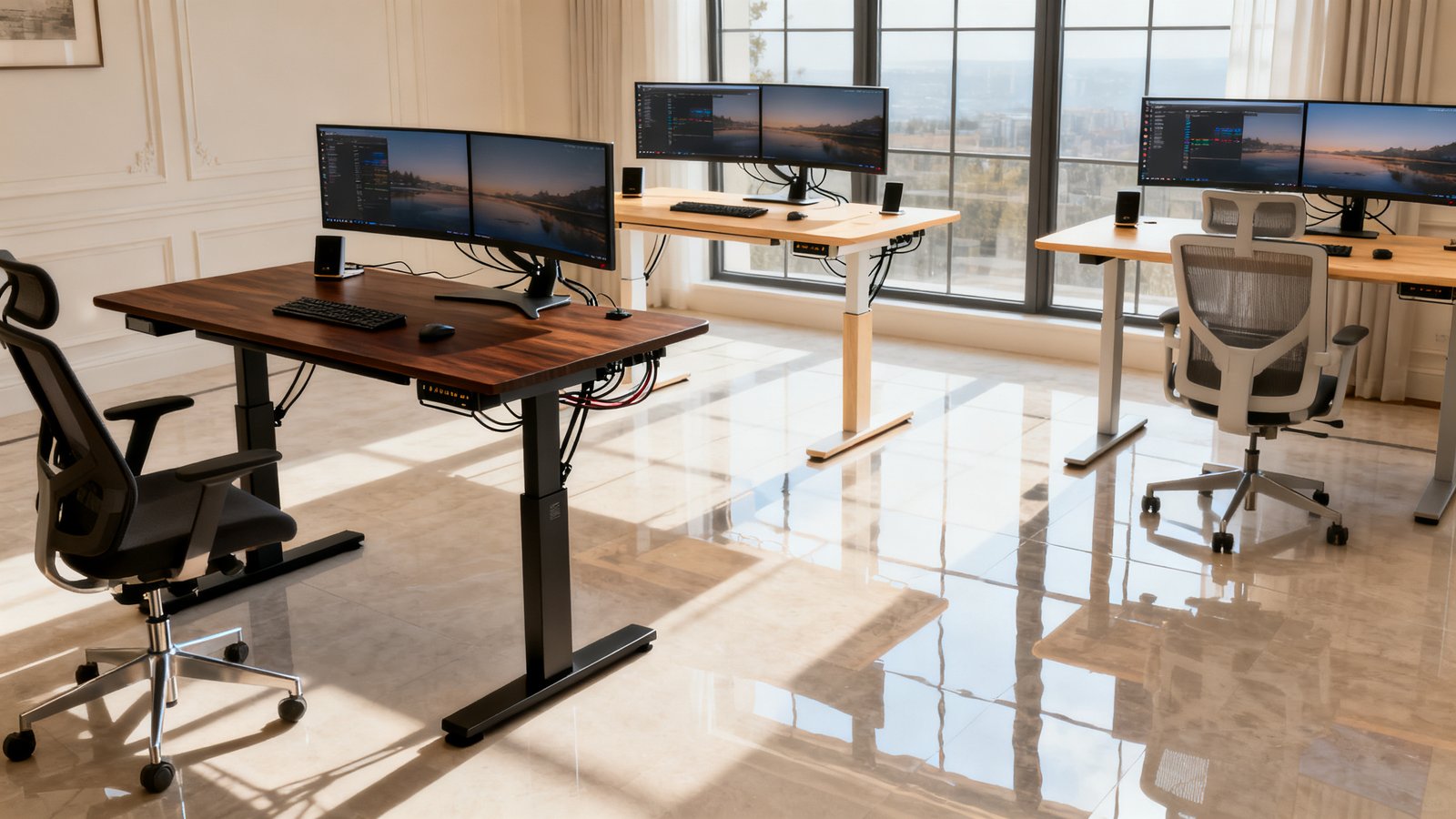
This guide does more than rank products—it deconstructs how to actually choose the dual-motor desks for YOUR setup using metrics that matter: frame geometry, stability (with “WobbleMeter”), dual-motor vs single, true load capacity (for those heavy ultrawides), decibel numbers, warranty years, and cable-routing features. We translate specs into real thresholds you can apply, so you don’t gamble $700 on marketing claims.
Standing Desk 2026: Step-by-Step Buying Guide
- Calculate Your Real Load Needs: Add up the weight of monitors (especially if using arms), desktop gear, and anything you’ll store—then add 15–25% overhead. For dual 27s and a desktop PC, you often cross 45 kg—so seek at least an 80 kg dynamic load rating (premium: 160 kg+).
- Demystify Stability: If you stand at 105 cm or higher (≈41 in), pay close attention to real stability scores. Wobble becomes noticeable above 38–40 in—especially with dual arms. Only a few desks remain rock-solid at max extension, usually dual-motor, wide foot design, and heavier frames.
- Insist on Quiet Dual-Motors: Look for lift speeds ~1 in/sec and published noise under 39 dB. Single-motor desks often hit 55 dB or more, which is distracting in quiet spaces or shared home offices. Seek detailed decibel data (not just “quiet!” claims).
- Scrutinize Cable Management: The best standing desks in 2026 feature integrated trays, hidden power bricks, magnetic covers, and controller ports (USB-C). If you see “cable management tray optional”—budget for that add-on or expect visible mess.
- Read the Warranty Fine Print: Top rated standing desk brands back frames 7–15 years and electronics 5 years+. Shorter warranties mean cheaper motors/control boards (and less trust).
- Don’t Ignore Smart Features: App integration, posture sensors, and health reminders are now possible—but many brands don’t tell you what’s included. Always ask or check specs before buying.
- Shortlist by Needs & Trade-Offs: If you need absolute stability for huge monitors, favor heavy/load-bearing frames over fast lift speeds or slick touchscreens. If silence matters (bedroom, shared space), prioritize sub-39 dB noise.
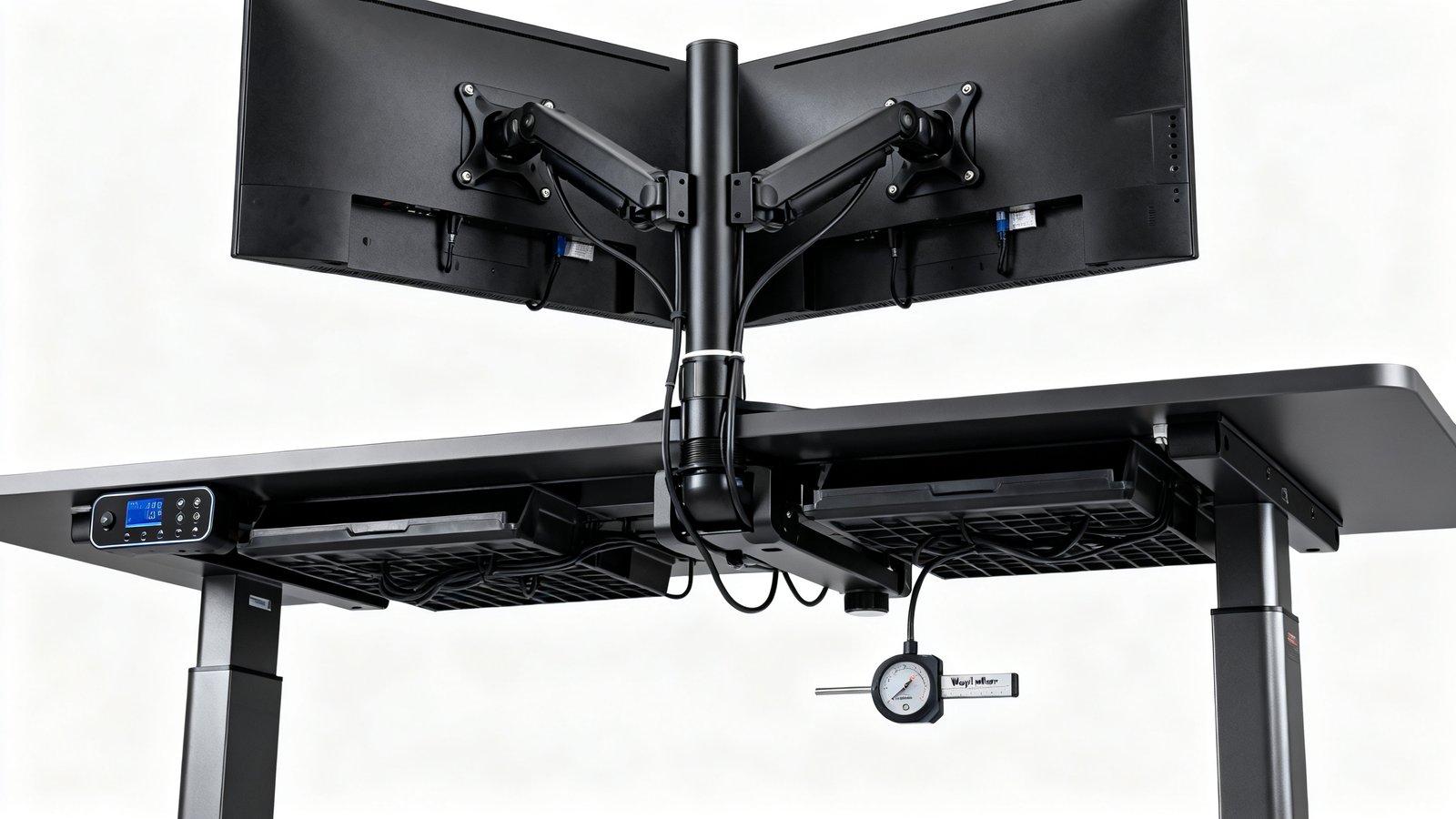
- Compare top models like Desktronic HomePro (160 kg, <39 dB, dual-motor, up to 128 cm height) and Herman Miller Jarvis (158 kg, dual-motor, excellent warranty) versus more budget options that offer just 80 kg with noisier motors.
- If on a budget or want to upgrade only part of your setup, a frame-only solution like the MAIDeSITe TH2 Pro Plus Art (180 kg load, dual-motor, see full specs) lets you use your own tabletop.
- If cable mess is your pain point, the Secretlab Magnus Pro hides the brick and includes robust routing options (real-world impressions here).
- Never choose a single-motor desk unless your setup is under 40 kg and you’re OK with more noise (>=55 dB) and shorter expected lifespan (3–5 years).
Advanced Analysis & Common Pitfalls (Wobble, Noise, Cables, and More)
Even the top rated standing desk can fail for Alex (the remote professional) if common pitfalls sneak in. Here’s what to watch, backed by true test numbers and user complaints:
| Desk Type / Model | Max Height | Load Capacity | Stability Above 40” | Noise (dB) | Warranty | Cable Management |
|---|---|---|---|---|---|---|
| Desktronic HomePro | 128 cm | 160 kg | Top-Tier, Minimal Wobble | <39 | 10 yrs frame, 5 yrs electronics | Integrated tray, good |
| Herman Miller Jarvis | 129 cm | 158 kg | Excellent | Under 43 | 7 yrs | Basic tray, average |
| FlexiSpot E7 Pro | 126 cm | 125 kg | Very Good | 41–43 | 7 yrs frame | Tray optional (add-on) |
| MAIDeSITe TH2 Pro Frame Only | 127 cm | 180 kg | Top stability (frame heavy) | 45 | 5 yrs | N/A (frame only) |
| Budget: ErGear | 120 cm | 80 kg | Noticeable shake at max | >=55 | 3 yrs | None; no tray |
- Wobble above 38–40 in: Becomes obvious in cheaper, lightweight desks with dual-monitor monitor arms or a desktop PC. Even some big-name brands degrade at highest settings. Frame mass and foot length make a real difference.
- Noisy motors: Many single-motor models (budget picks and entry levels) reach 55 dB or more—noticeable as a buzz or rattle, especially if you move the desk during video calls (source).
- Cable mess remains a universal complaint unless you get a built-in tray, hidden power brick, or third-party magnetic channel (see our cable management guide).
- Frame-only isn’t plug and play: If you choose a frame-only standing desk, measure your tabletop for proper length and pre-drill holes yourself to avoid misalignment and “creaks.”
- Assembly can be tricky: Tighten hardware in sequence and use a powered screwdriver if possible; the most stable standing desk is only as good as your build effort.
- Warranties vary widely: Top desks offer 7–15 years (especially on frames), but electronics are often 3–5 years. Beware models that seem premium but cut these corners.
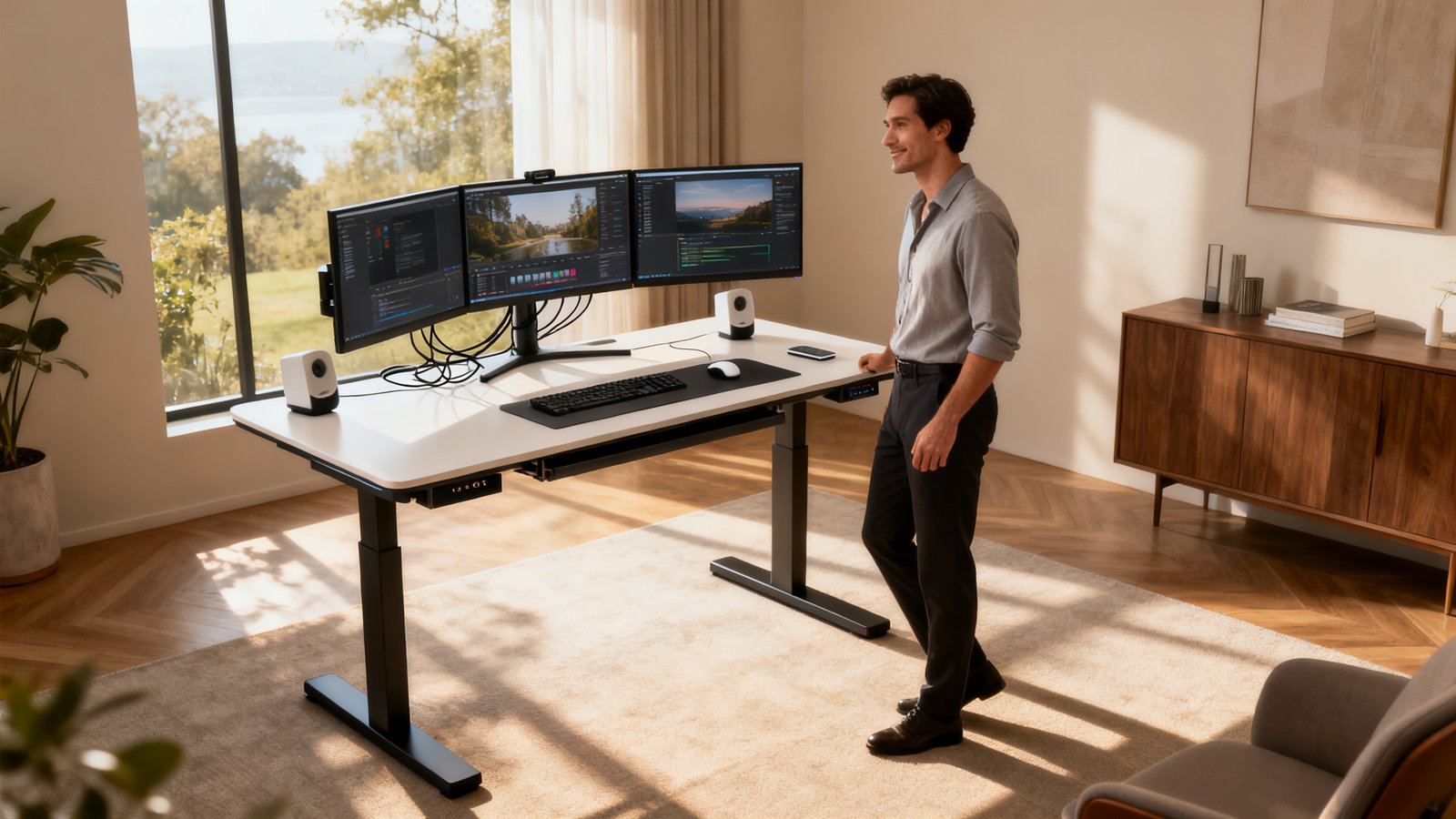
Want a deeper look at cable management? Check out our clutter free desk setup breakdown with hands-on trays, channels, and tidy strategies.
If you’re on a strict budget, see if a frame upgrade fits your needs in our home office setup under 1000 guide—and for ergonomic placement, our ergonomic workstation setup tips help you fine-tune height and monitor arms for any desk.
Conclusion: Your Next Steps
Stability, noise, load, and cables define the top rated standing desk for remote professionals in 2026. Don’t compromise—choose a dual-motor frame, confirm dynamic load rating covers your whole setup (plus 15–25%), and scrutinize warranty years for both electronics and frame. Every best standing desk 2026 pick in this guide is vetted by hard numbers, not influencer hype. Ready to build your pain-free, clutter-free workstation? Shortlist your needs, double-check specs, and invest with confidence.
FAQ
How long should a quality standing desk last?
Entry-level desks generally last 3–5 years. Mid-range models are built for 7–10 years. Premium and ultra-premium top rated standing desks can serve 15+ years, especially if they have frame warranties to match. Always check each warranty period before purchase.
Are single-motor desks good enough for home office use?
If your setup is under 40 kg (laptop and a single monitor), a single-motor desk may suffice. However, for best electric standing desk for home office longevity, noise (quietest standing desk motor), and future upgrades, dual-motor desks are strongly recommended.
Do monitor arms increase wobble?
Yes. When mounting dual arms or heavy ultrawides, micro-movements are magnified—especially at max extension or with lighter frames. To minimize wobble, choose the most stable standing desk 2026 (heavy, dual-motor, wide feet) and always assemble with all bolts tightly fastened.
What counts as a “quiet” standing desk motor?
Industry benchmarks: <39 dB = genuinely quiet, even in silent rooms. Cheaper single-motor desks can hit ≥55 dB, which is distracting. Always check for published noise figures—not just “quiet!” claims.
What specs should I look for if I want to run two or more heavy monitors?
Prioritize a desk with at least 125–160 kg lifting capacity, dual motors, and a wide frame. Always factor in your total gear weight plus 15–25%. See our analysis above and compare more tips in our standing desk buying guide.